Are your Instagram posts getting lost in the scroll? The truth is: timing is everything. Nail the right windows and watch your engagement soar. Post at the wrong moments, and your work goes unseen.
Here’s the deal: With Instagram's algorithm prioritizing recency, timing can make or break your reach. Whether you’re a solo creator or part of a busy agency, knowing the best time to post on Instagram is crucial for capturing attention. You want your followers to join the conversation, not scroll right past your content.
What Influences Optimal Posting Times?
Now let’s talk about the factors that actually impact when you should hit ‘post’. Most people think it’s just about demographics or the time zone you’re in. But there’s more to the story. Here are a few key points to consider:

-
Your audience's location: Are your followers mostly in one time zone? Or are they spread across different regions? Understanding where your users are based can help pinpoint optimal posting times.
-
Audience behavior: When is your target audience most active? Do they scroll during lunch breaks, after work, or late at night? Use Instagram Insights to analyze follower activity.
-
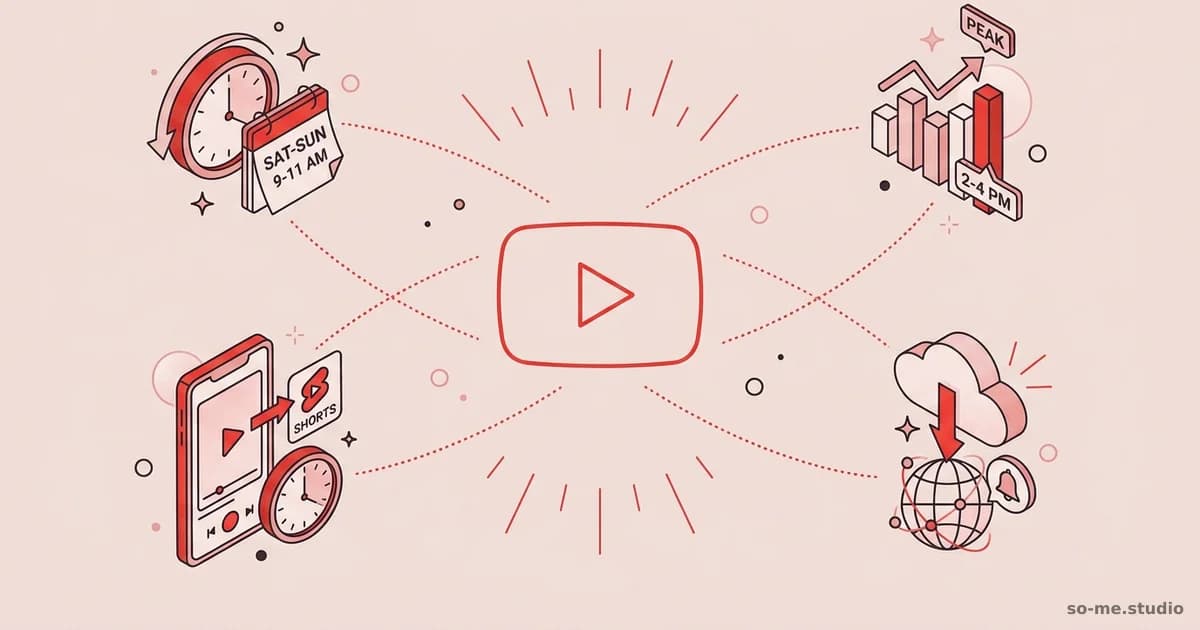
Type of content: Different formats may perform better at different times. For example, Reels might see better engagement during weekends while carousels shine mid-week.
Get this right, and you'll save hours of trial and error. You'll spend less time guessing and more time creating killer content.
Key Takeaways
- Timing matters: Engagement hinges on when you post, not just what you post.
- Analyze your audience: Use Instagram Insights to learn when your followers are active.
- Consider content type: Different formats may need different timing strategies.
After reading this, you’ll know exactly how to determine the best times to post on Instagram, ensuring your content gets the visibility it deserves.
What We Will Cover
Analyzing Your Audience's Activity
Start by diving into your own audience data. If you’re still posting without understanding when your followers are online, you’re missing out. Use Instagram's built-in analytics tools to gather key insights about your followers.

-
Go to Instagram Insights: Open your profile and tap on your analytics. Under the "Audience" section, scroll down to find data on when your followers are most active.
-
Look for patterns: Are there surges in engagement at certain times of the day or specific days of the week? Keep an eye out for the days when your audience is most engaged.
-
Take note of content performance: Which types of posts perform best at specific times? Carousels might crush it in the evenings, while stories get attention during the day.
This data isn't just noise—it’s your roadmap. Most creators overlook this crucial step, but it’s where you’ll find your edge against the competition.
The Mistakes Most Creators Make with Timing
- Ignoring Insights: Skipping analytics means leaving growth on the table.
- Overgeneralizing: Just because others say “post at 9 AM” doesn’t mean that’s your best time.
- Forgetting about your content type: Format matters—treating every format the same leads to subpar engagement.
General Best Times to Post
Every account is different, but general trends can offer a starting point. According to a variety of studies and expert opinions, here are some commonly recommended times to post on Instagram:

- Weekdays: Engagement tends to peak on Wednesdays and Thursdays, between 11 AM and 1 PM.
- Weekends: Saturday and Sunday evenings are also popular, as people are more relaxed.
Adjusting for Time Zones
If you have followers in multiple time zones, timing becomes even trickier. You don't want to alienate part of your audience by always posting according to your local time. Here’s how to strategize:
- Identify your top regions: Use Insights to determine where your followers are based.
- Post at overlapping peak times: If you know you have a significant following in the UK and the US, aim for a time that works for both—like early afternoon GMT, which can reach both audiences.
This way, you maximize exposure without sacrificing quality. Don’t get trapped in your own time zone; think globally!
Now you're equipped to tackle the elephant in the room—when to post on Instagram. Keep iterating, adjust based on results, and watch your engagement levels rise.
Which Industries Post at Completely Different Times
Your optimal posting schedule isn’t just about numbers; it’s strongly influenced by your niche. Different audiences have unique habits. Here's how specific industries shift the timing game.
1. E-commerce Brands: Timing the Sales Cycle
Online retailers often post when customers are actively seeking deals. Think Friday afternoons or Sundays—when people are shopping around for inspiration. A strong call to action during these windows can lead to significant conversions.
Example: If you're a boutique selling fashion items, consider posting at noon on Sundays. Studies show that's when users often browse Instagram while contemplating the week ahead.
2. Health and Wellness: Morning Motivation
Health and wellness brands fare best when consumers are thinking about their day ahead. Early mornings—between 6 AM and 9 AM—are prime time. People are looking for energy-boosting workouts or healthy breakfast ideas to kickstart their day.
Note: Don't be discouraged if you see lower engagement in the evenings. Users likely prefer scrolling post-work, but aren’t always in the mood for health-focused messages.
3. Entertainment and Media: Evening Engagement
If you’re promoting an event, a film, or a new release, evenings are your sweet spot. People unwind from their daily grind and turn to Instagram for entertainment. Think prime time—between 7 PM and 10 PM.
Tip: Use Stories to build anticipation earlier in the day, then drop your main content during these prime hours to maximize interaction.
4. Travel and Leisure: Weekday Escapes
Travel accounts often see spikes during mid-week. When the weekend is just out of reach, users indulge in fantasy travel plans. Aim for late Wednesday afternoons or Thursdays to inspire wanderlust.
Why? People are looking for that mental escape as they plow through the workweek. A stunning sunset shot or a tropical getaway image can spark interest just when they need a little motivation.
The Mistakes Most Creators Make with Timing
Timing seems simple—post when you think your audience is awake and scrolling. But that’s where many get it wrong. Let’s dive into the common pitfalls that can derail your efforts.
1. Ignoring Analytics
This one is a no-brainer. Neglecting Instagram Insights can leave you in the dark about your audience's activity. You need to be aware of when your followers are actually online, not just guessing based on general trends.
2. Overlooking Historic Engagement Patterns
You’ve got to understand that timing is not static. Audience behavior changes, especially around holidays or major events. Just because a timeline worked last year doesn't mean it'll be valid now. Continually review past content performance to spot seasonal shifts and adapt as necessary.
3. Not Testing Different Posting Times
Assuming that one optimal time applies to all content types is a rookie mistake. Different types of content (like Reels, Stories, or static posts) may perform better at different times. Don’t just follow a formula—experiment. Post a mix of content at various times to see what resonates best.
4. Failing to Adjust for Time Zones
If you have a global audience but don’t account for their time zones, you’re setting yourself up for failure. You might nail your local timing, but neglecting viewers in other regions means missing visibility. Use scheduling tools to manage this effectively, ensuring posts reach the right people at the right time.
Key Strategies for Perfecting Your Posting Schedule
Now that you’re aware of the common timing slip-ups, let’s sharpen your strategy. Here are key ways to ensure your timing is sharp and on point.
1. Create a Posting Calendar
Draft a posting calendar that outlines the best times for each type of content you produce. Tailor this calendar based on your audience insights and industry trends. Mark specific days for promotions, casual engagement posts, and high-quality visuals.
2. Use Scheduling Tools Effectively
Employing a scheduling tool like so-me.studio can help you automate posting at optimal times, even when you’re off the clock. This means you’re reaching your audience when they’re most active—without needing to be glued to your phone.
3. Consistency is Key
While being flexible with your posting times can offer insights, consistency also builds trust with your audience. Aim to post regularly at your determined peak times so followers know when to expect new content from you.
4. Engagement Follow-Up
Don’t just post and ghost. Monitor your posts after they go live. Engagement doesn’t stop when you hit publish. Respond to comments and messages during high-traffic periods to boost interaction rates, which helps in the long term.
Quick Wins to Elevate Your Instagram Timing Strategy
You want results fast? Here come some quick wins you can implement today:
- Review Insights: Check your analytics for the last 30 days and note when your audience is most active.
- Import a Scheduler: Start using so-me.studio to automate posts—efficiency is the name of the game!
- Test Posting Times: Set up experiments for different times of the day this week and document your engagement stats.
- Engage Immediately: Once you post, stick around for 30 minutes to handle comments and DMs. This boosts visibility.
- Adjust for Events: Keep an eye on calendar events that might affect your audience's schedule—adjust your posts as needed.
FAQ About the Best Time to Post on Instagram
How can I find the best time to post on Instagram for my brand?
Start by using Instagram Insights. Check when your followers are most active. From there, test posting at those times and document engagement results. Keeping an eye on your insights regularly allows you to adapt to changing behaviors.
Does the best time to post on Instagram change?
Absolutely. It’s not set in stone. Your followers' habits shift — whether it’s due to seasons, holidays, or emerging trends. Conduct routine audits on your posting times and engagement metrics to stay updated.
Are weekends better for posting?
It varies! While some brands find weekends beneficial (more free time means more scrolling), others see the highest engagement during weekdays. Experiment with different days to spot trends unique to your audience.
What if my audience is international?
Segment your strategy. Use analytics to identify where your largest follower bases are located. Create a posting schedule that caters to the peak engagement times across those time zones. Tools like so-me.studio can help in planning posts for different regions.
What about reels versus static posts? Is the timing different?
Yup. Reels often perform better when posted at different times than static posts, thanks to their viral potential. Experiment with different timing strategies for each format to maximize reach.
Final Thoughts on Optimizing Your Posting Schedule
The truth is, mastering the time to post on Instagram isn’t just about clocking in and hitting share. It’s about understanding your audience and refining your strategy. Engage actively, analyze results regularly, and don't be afraid to pivot.
By evaluating your insights, experimenting with various posting times, and keeping an ear to the ground with industry trends, you’ll soon discover the sweet spots for maximizing your content’s reach.
Feeling confident yet? It's time to level up.
Try managing your posts effortlessly with so-me.studio. Get started today and watch your engagement soar!