There's a delicate balance to striking the right timing for your social media posts. We all want to get the maximum number of eyes on our content, but figuring out when to hit that "Schedule" button can feel overwhelming. Have you ever found yourself pouring over analytics, only to end up more confused than when you started?
If you're like many of us, you're just trying to keep up with the demands of your audience and your vibrant social media presence. Whether you're managing multiple accounts or simply trying to make a single post shine, mastering social media scheduling can take much of that pressure off your plate. In this post, we’ll explore some actionable social media scheduling tips that can help streamline your strategy.
Key Takeaways
- Identify the best times to post on each platform for maximum visibility.
- Use an all-in-one social media scheduling tool to manage your content efficiently.
- Understand your audience's behavior to tailor your posting schedule.
- Plan posts in advance to maintain consistency and save time.
After reading this, you’ll be equipped to schedule your content effectively, keeping your audience engaged without losing hours to guesswork.
Understanding the Timing of Your Posts
When we think about social media scheduling, one of the first things that come to mind is timing. Each platform has its own unique peak times when users are most active, and understanding this can significantly enhance your engagement rates.

Instead of posting randomly, did you know that most platforms have identifiable "golden hours"? For example, studies suggest that posts on Facebook generally perform best between 1 PM and 4 PM on weekdays, while Instagram might see more engagement in the evenings. Tools like so-me.studio can help you identify these peak times specific to your audience.
1. Analyze Your Audience's Behavior
Before diving deeper into schedules, it's essential to take a moment to analyze who your audience is. What does your audience actually need right now?
Use analytics tools (either native to the social media platforms or ones integrated with your scheduling tool) to gauge when your followers are most active. Look at your past posts to see if you can find any trends. For example, you might discover that your followers are particularly active in the evenings, which could inform your posting strategy.
2. Schedule Content in Batches
Let’s be real — the last thing you want to do is scramble to create content every day. Scheduling in batches can be a lifesaver, allowing you to create multiple pieces of content in one sitting and then distribute them over a period of time.
Using so-me.studio, you can upload multiple posts and stagger their times, keeping your content flowing without the daily pressure. This approach not only saves you time but also ensures that you're able to curate a cohesive narrative or theme.
3. Experiment and Adjust
Sometimes it takes a bit of trial and error to find what works best for you and your audience. Once you’ve tried out different posting times and strategies, be sure to monitor engagement levels. If you notice that a post scheduled at a certain time gets significantly better engagement than another, take note and adjust accordingly.
Remember, data isn’t just numbers — it tells a story. The goal is to engage your audience, and if something isn’t working, there’s no shame in reassessing your strategy.
4. Keep Your Content Varied
While consistency is critical in maintaining your audience's interest, keeping your content varied can be just as important. Spread out different types of content (images, videos, infographics, polls) within your posting schedule so your audience stays engaged.
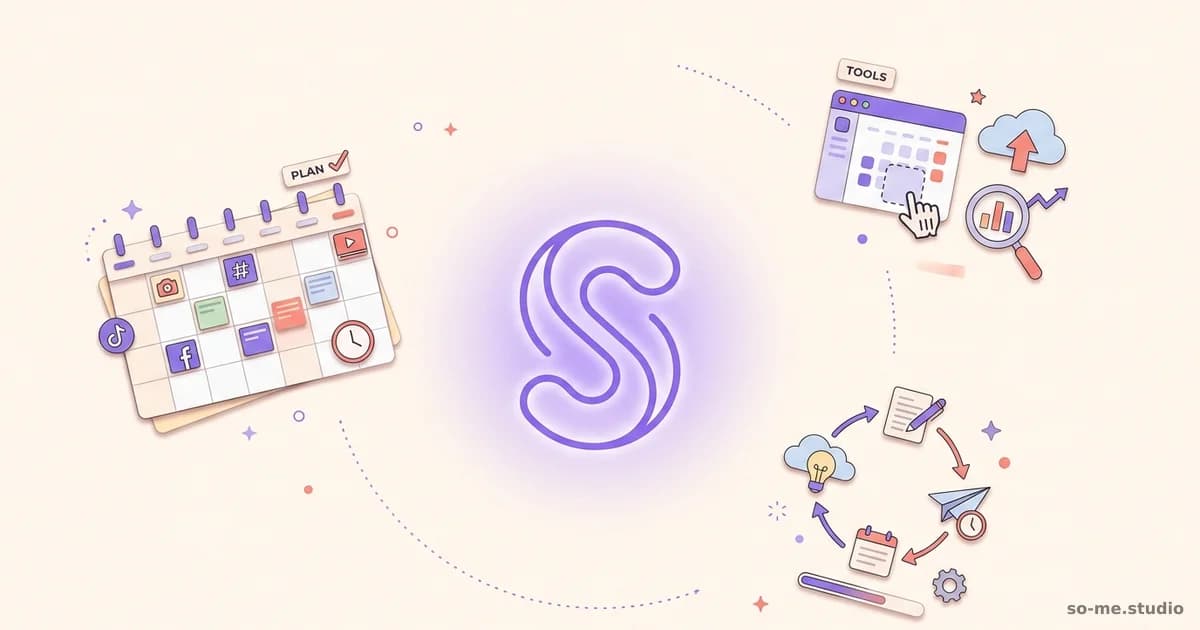
Tools like so-me.studio allow you to visualize your scheduled posts in advance, making it easier to ensure you have a mix of content throughout the week. Plus, this variation can help you cater to different audience preferences, ensuring you don't alienate particular segments of your followers.
Conclusion / Final Thoughts
As we wrap up this chunk, remember that effective social media scheduling is not just about the posting times but understanding your audience's behavior and employing tools that can simplify the process. Setting up a well-planned schedule can yield long-term benefits, saving you time while enhancing your engagement rates.
Common Mistakes to Avoid
Social media scheduling can be tricky. With so many platforms and strategies to consider, it's easy to make a few missteps that can hinder your efforts. Acknowledging these mistakes is the first step toward refining your approach.
1. Not Engaging with Your Audience
One common mistake is focusing solely on the content you want to share, neglecting to engage with your followers. Social media is not just a broadcasting platform—it's a conversation starter. Have you ever noticed how a simple reply or a comment can spark deeper interactions? When you spend all your time scheduling and posting without responding to comments or messages, it can feel like talking into a void. Instead, dedicate time to interact with your audience. Set aside a few minutes each day to reply to comments, DMs, or even share user-generated content. This builds relationships and shows your followers that you value their input.
2. Overlooking Analytics
Many creators fall into the trap of sharing content without evaluating what works. It’s essential to monitor your posts' performance through analytics. Are certain topics generating more engagement than others? Did a particular post perform better at a certain time? By not diving into your analytics, you could miss crucial insights that guide your future content strategy. Take time each month to review your metrics. Identify which content types resonate with your audience, and adjust your strategy accordingly. You could also use tools like So-me.studio to streamline this process and get insights all in one place.
3. Rigidly Sticking to the Same Schedule
While having a posting schedule is beneficial, being too rigid can hurt your reach. Amidst changing trends and current events, flexibility in your scheduling approach can lead to better engagement. For instance, if a viral trend or news event relevant to your audience emerges, a spontaneous post can be more effective than sticking to a pre-planned content calendar.
Instead of committing to a strict weekly schedule, build in some flexibility. Keep an eye on trending topics or seasonal events that might relate to your brand. Adjust your content calendar when needed, and don’t hesitate to experiment with spontaneous posts. This adaptability shows your audience that you’re in tune with the world around you.
4. Ignoring Platform Differences
Each social media platform has its unique culture and user expectations. Treating all platforms the same—like posting the same content on Instagram, LinkedIn, and Twitter—can limit your reach. What works on one platform may flop on another. For example, highly visual content thrives on Instagram but may not perform well on platforms like LinkedIn, where professional insights are more appreciated.
Tailoring your content to suit each platform isn't just about the visuals, either—it's about the tone, length, and context. Invest time in understanding each platform’s audience and craft your content accordingly. You’ll likely see better engagement and more shares as a result.
5. Failing to Plan Ahead
Many creators wait until the last minute to post, which can lead to rushed content that doesn't reflect their best work. Impulse posting often results in bland or irrelevant content and misses an opportunity for thoughtful, quality contributions to your audience’s feed.
Develop a content calendar to plan out your posts weeks or even months in advance. This gives you ample time to research trends and gather user-generated content, all while allowing you to maintain a steady flow of posting. With So-me.studio, you can easily organize your content calendar and ensure that your posts align with upcoming events or seasonal themes.
Quick Wins
If you're eager to improve your social media scheduling right away, here are some quick actions you can take today:
- Engage Daily: Set aside just 10 minutes each day to interact with comments and messages. Building relationships takes time, but it’s worth it.
- Review Your Analytics: Spend an hour this week checking your social media performance metrics. Take notes on which posts performed best and why.
- Schedule Spontaneity: Leave a few days open each month for last-minute trending posts. Keep your content calendar flexible to accommodate new ideas.
- Customize Your Content: Take a few hours to tailor content specifically for each platform. Make adjustments based on what your audience expects to see.
- Create a Template: Design a simple template for your content calendar using So-me.studio, outlining themes or topics for each week.
FAQ about Social Media Scheduling Tips
What is the best time to post on social media?
The best time to post varies by platform and audience. It’s essential to track your own analytics to see when your followers are most active. Generally, weekdays during lunch hours and evenings tend to yield good engagement.
How often should I post on social media?
While posting frequency depends on the platform, a good rule of thumb is to aim for quality over quantity. Consistently posting 3-5 times a week is often effective for engagement. Test different frequencies to find what resonates with your audience.
Can I use the same content across all platforms?
You shouldn't use the same content across all platforms. Instead, adapt your message and format to fit each platform's unique audience. What works on Twitter might not work on Instagram, so tailor your content accordingly for better results.
How can I streamline my social media scheduling?
Using tools like So-me.studio can help you streamline your social media scheduling. You can manage multiple platforms, analyze performance, and engage your audience, all in one place.
What's more important, quality or quantity?
Quality should always take precedence over quantity. Engaging, well-thought-out posts will generate better results than numerous rushed or low-quality posts. Focus on delivering value to your audience, and the rest will follow.
The Importance of Audience Engagement
When thinking about social media, we often get wrapped up in metrics like follower counts or post volume. But we’ve all seen those accounts with a massive following yet minimal engagement — it can be a real head-scratcher. What does your audience actually need right now? Understanding them is the key to success.
Engagement isn’t just about likes and comments; it’s about creating meaningful interactions. Think of it this way: imagine hosting a party. You wouldn’t just stand in the corner talking about yourself the whole time. Instead, you'd want to connect with your guests — ask questions, listen, share experiences.
The same principle applies to social media. Here are some actionable tips to elevate your audience engagement:
-
Ask Questions: Encourage your followers to share their thoughts or experiences. This not only sparks conversations but also gives you valuable insights into what your audience cares about.
-
Share User-generated Content: Highlighting posts from your followers shows that you value their input, which can lead to deeper loyalty and engagement.
-
Use Interactive Content: Polls, quizzes, and live videos can turn passive viewers into active participants, creating a vibrant community around your brand.
Leveraging Analytics to Optimize Your Strategy
We've touched on engagement and timing, but how do you know what’s actually working? Enter social media analytics. These insights can feel overwhelming, but they’re crucial for refining your strategy.
Most platforms offer analytics tools that provide data on post performance, audience demographics, and engagement trends. For instance, if you notice that videos get more engagement than images, consider incorporating more video content into your schedule.
Take a moment to regularly review your analytics — ideally weekly or monthly. Ask yourself questions like: - Which posts generated the most engagement? - What times did my audience interact the most? - Are there patterns in the type of content that gets the best response?
By continuously tuning in to the numbers, you can make informed decisions about the content you produce, leading to better outcomes over time.
Embracing Variety in Your Content
In the realm of social media, variety isn’t just the spice of life; it’s essential for keeping your audience engaged. If you’re only sharing one type of content, it can get stale pretty quickly. Think about it: how often do we scroll past the same types of posts? Sometimes, we end up disengaging with accounts if the content feels repetitive.
So, how can you mix things up? Consider these approaches:
-
Diverse Formats: Experiment with images, videos, infographics, quotes, and stories. Each format engages users differently, and varying your approach can reach a wider audience.
-
Content Themes: Establish weekly or monthly themes. For example, you might focus on “Tip Tuesdays” where you share advice or “Feature Fridays” for highlighting followers or customers.
-
Seasonal Relevance: Always think about what's currently happening in the world. Tailor your content to holidays, events, or trending topics — it gives your posts a fresh context.
Scheduling for Success
Now that we understand engagement and content variety, let’s circle back to scheduling. While it’s tempting to gather ideas and post spontaneously, having a structured schedule can drastically enhance your social media presence.
First, think about your overarching goals. Are you seeking to grow your following, boost engagement, or promote a product? Let these objectives guide your scheduling decisions.
Here’s how to create an effective schedule:
-
Content Calendar: Develop a content calendar where you plan out your posts in advance. This helps you visualize your posting frequency and themes, ensuring you don’t leave gaps or fall into a routine.
-
Optimal Posting Times: Use your analytics to identify the best times to post. You may find that certain days or times yield higher engagement levels, allowing for more traction.
-
Buffer Time for Engagement: Remember to schedule time for interaction after posting. Engaging with your audience shortly after your content goes live can enhance visibility and elicit more comments and shares.
-
Review and Adjust: After a month, revisit your schedule. Are certain posts performing better at different times? Use that data to tweak your future postings.
Common Mistakes to Avoid
Even with the best planning, there are pitfalls to watch for. Let's acknowledge some common mistakes:
Inconsistent Posting
It’s easy to get sidetracked or overwhelmed, but inconsistency can lead to disengagement. Try to maintain a routine that your followers can rely on.
Ignoring Comments
Engagement is a two-way street. Not responding to comments or direct messages can make followers feel undervalued.
Neglecting Analytics
Failing to analyze your post performance means missing out on opportunities for growth. Regularly reviewing your data — as we discussed — is essential for guiding your content strategy.
Quick Wins for Better Scheduling
We’ve covered a lot of ground, so here are a few swift actions you can take today:
- Create a content calendar for the next month.
- Identify 2-3 new content formats to try this week.
- Review your analytics to find one aspect of your strategy that can be improved.
Embracing these social media scheduling tips will help streamline your efforts and enhance engagement, making the entire process feel more manageable. Take it step by step, and don't hesitate to leverage tools like so-me.studio for ease of execution.
Final Thoughts
Finding the right balance in your social media scheduling is crucial for maintaining engagement and fulfilling your objectives. Stay organized, be responsive, and remember to keep your content fresh. You’re not just sharing posts — you’re building a community.
If you