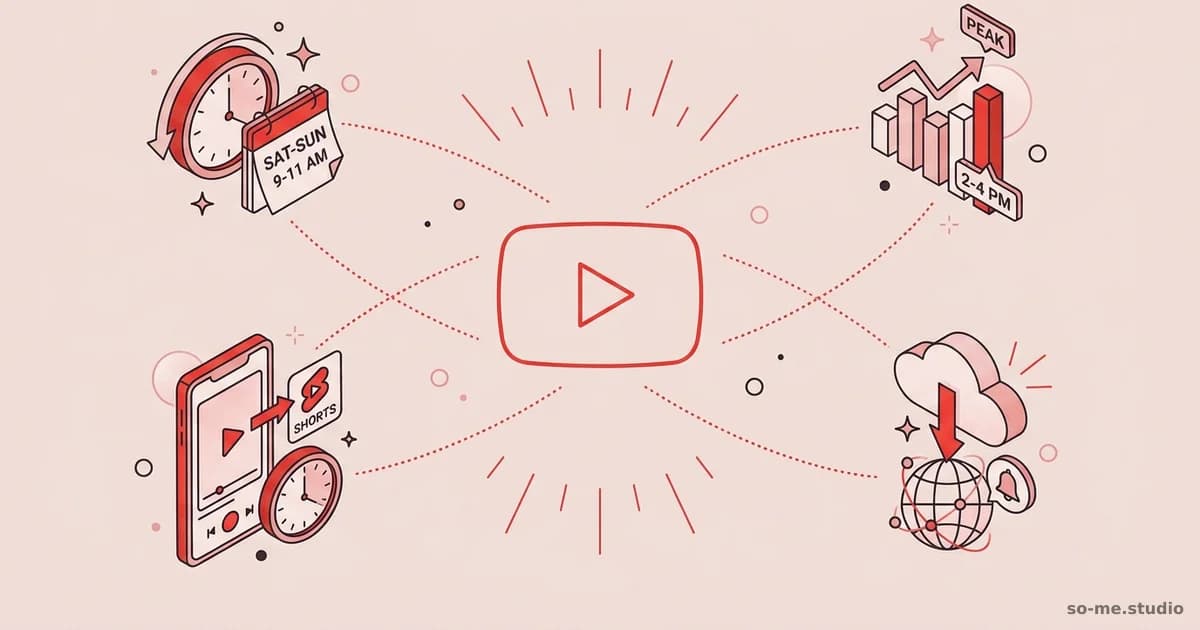
Three seconds. That’s all the time you get to grab attention on social media. If you’re posting at the wrong time, even the most killer content will vanish in the scroll. The truth is, understanding the best time of day to post on social media can be a total game-changer for your engagement and reach.
You’re probably feeling overwhelmed trying to figure out when your audience is active, right? Juggling different time zones, platforms, and posting schedules can be a hassle. You want your posts to hit at peak times, but how do you do that without spending hours analyzing data? Let’s simplify this.
Key Takeaways:
- Timing is key — post when your audience is online for maximum impact.
- Different platforms have distinct peak times for engagement.
- Use insights and analytics to tailor your timing strategy.
After reading, you’ll know exactly when to schedule your posts for optimal engagement.
Which Platforms Have Unique Peak Times?
Every social media platform has its own peak times when users are most active. Understanding these patterns can help shape your posting strategy. Here’s a breakdown of the best days and times to post on some of the most popular platforms:

1. Facebook
The best time to post on Facebook is between 1 PM and 3 PM. Studies show that Wednesdays are the ideal days, with engagement rates peaking mid-week. Why? People often check Facebook during lunch breaks or early afternoon, looking for a mental escape from work.
2. Instagram
Instagram users are most engaged on Mondays and Thursdays at around 11 AM and 2 PM. This visual platform thrives on fresh content, so hitting users during their lunch breaks can give your posts a solid boost. People like to scroll while they sip their midday coffee.
3. Twitter
Twitter thrives on the immediacy of news and updates. The sweet spot is usually 12 PM to 1 PM, especially on Wednesdays and Fridays. Users are often browsing during their lunch breaks, and less content clutters the feed, making your tweets more likely to be seen.
4. LinkedIn
If you’re in the professional arena, LinkedIn is key. The best time to post is between 8 AM and 10 AM on Tuesdays, Wednesdays, and Thursdays. Professionals tend to engage in the morning when they’re prepping for the day. Avoid weekends — engagement drops significantly.
5. TikTok
As a newer player, TikTok's peak time varies, but generally, users are most active in the evenings. Aim to post between 6 PM and 10 PM, particularly on weekends. Since most viewers are scrolling after work or school, seizing this window can boost your views significantly.
Why Timing Matters More Than You Think
Ignoring the timing factor is a common mistake, and it can hurt your post visibility. Most people think that simply posting regularly will get them engagement, but the truth is far different. The algorithm favors posts that gain traction quickly, so hitting that window when your audience is active is crucial.

Imagine this — you post at 6 AM when only a few of your followers are awake. Your beautifully crafted content goes largely unseen. Now, if you had scheduled that same post for only a couple of hours later, you could have connected with a much larger audience. That’s the power of timing.
Here’s What Nobody Says Out Loud
You don’t have to rely purely on generic guidelines. Social media platforms provide analytics tools. Dive into your insights to see when your specific audience is most active. This eligibility can help customize your strategy and get ahead of the game.
Best times and days to post on social media
Timing is just one piece of the puzzle. Knowing the best days alongside the times is equally essential. Here’s a quick summary of the best days:

- Best Days:
- Facebook: Wednesdays
- Instagram: Mondays and Thursdays
- Twitter: Wednesdays and Fridays
- LinkedIn: Tuesdays to Thursdays
- TikTok: Weekends
Each platform has nuances, and your audience’s behavior may differ, especially by industry or niche. Always keep experimenting and adjusting.
Quick Tips for Finding Your Perfect Posting Time
- Check Insights: Use built-in analytics on each platform to discover when your followers are online.
- Experiment: Test different posting times and days to see what resonates with your audience the most.
- Stay Consistent: Once you find a pattern, stick to it for a while to see consistent results.
You can track the success of your strategies using So-me.studio’s scheduling tool, which allows you to analyze your post performance over time. Pinpoint when your audience is ready to engage and adjust in real-time.
Keep these insights in mind as you craft your social media strategy. The best time to post isn’t set in stone — it’s about what works for you and your audience. Don’t be afraid to adjust your timing and test new strategies.
The Mistakes Most Creators Make with Timing
Timing isn’t just a detail — it's a critical factor that can make or break your social media strategy. Yet, many people approach it all wrong. Here are the common pitfalls that might be costing you engagement.
1. Ignoring Audience Insights
You can’t guess what your audience wants. Relying on hunches instead of data is like sailing blindfolded. Use analytics tools from platforms like Facebook Insights or Instagram Analytics to see when your audience is most active.
Focus on the specific demographics of your followers — age, location, interests. These factors heavily influence when they’re online. For example, if you’re targeting busy parents, evenings might be best.
2. Overlooking Time Zones
Think local — but don’t forget global. If your audience spans multiple time zones, you can't just post at 9 AM your time and hope for the best. A post that’s live at 9 AM in New York will hit differently at 3 PM in London.
What to do? Use scheduling tools like So-me.studio to tailor your posts for different time zones, ensuring all corners of your audience are covered.
3. Failing to Adapt with Trends
The truth is, social media isn’t static. Trends shift — quickly. Just because something worked last month doesn’t mean it’s still relevant.
Watch for changes in behavior. Seasonal events, holidays, and global incidents can dramatically affect when people choose to engage. Periodically reassess your posting schedule and adjust accordingly.
4. Not Considering Content Type
Every post type has its own ideal moment. A funny meme might fly during lunchtime when people are scrolling for quick laughs, while a serious industry insight may garner more views early in the morning when followers are focused.
Think critically about the context of your content and strategic align it with what your audience is in the mood for. Not sure? Create multiple content calendars to test different timings for various formats.
Quick Wins
Feel the itch to improve your timing right now? Here are action steps you can implement immediately:
- Use Analytics: Dive into your social media analytics today to identify when your followers are online.
- Experiment with Posting Times: Pick 3 different time slots in the week to try out and track their performance closely.
- Recycle Like a Pro: Use content you've posted successfully before, but share at new times to maximize reach.
- Engage in Real Time: Stay active during peak hours to respond to comments and interact with your audience for increased visibility.
Want to simplify scheduling? Take a look at So-me.studio’s features to streamline your posting process.
FAQ about Timing on Social Media
What are the best times to post on Facebook?
Studies suggest that generally, the best times to post on Facebook are Wednesday at 11 AM and 1 PM. However, it might be different for you. Use your analytics to fine-tune these suggestions to your audience’s preferences.
How can I know the best time for my specific audience?
Check your social media platform's analytics. Look for patterns in user engagement metrics — the more you know about when your followers interact, the better your posting timing can be.
Does posting more frequently affect engagement?
Not necessarily. Posting too often can lead to audience fatigue. Instead, focus on the quality of your posts. A well-timed post with engaging content will always outperform multiple mediocre posts.
Can I rely on general statistics for all platforms?
While strict guidelines exist (like the best time of day to post on social media), it’s crucial to consider your unique audience and their varying habits. General stats are just a starting point.
How frequently should I adjust my posting schedule?
Reassess your posting schedule at least once a month. Trends change, audience preferences evolve. Stay alert and adapt swiftly.
How can So-me.studio help me in finding the right timing?
So-me.studio not only helps you schedule your posts easily, it also allows you to analyze what works for your audience! The insights you gain can be pivotal in finding the sweet spot for your posting.
Now that you know the common mistakes and have quick wins at your disposal, it’s your move. Timing is essential but adaptable. Embracing a mindset of experimentation, learning, and recalibrating your timing can unlock your social media potential.
In a world where attention is the currency, make every second count. Maximize your connections to turn casual visitors into consistent engagers with every post you serve up. Stay curious and stay ahead!
Advanced Strategies for Timing Your Posts
1. Test Different Time Zones
Adjust to Your Audience
You have followers from all over the globe—so why settle for one standard time? Experimenting with posting times that cater to various time zones can yield surprising results.
For instance, if you’re in New York, but a significant chunk of your audience is in California, post when they’re just waking up, not when you’re about to hit the hay. Use tools like So-me.studio's analytics to track engagement from different locations.
2. Track Competitor Posting Times
Learn From the Leaders
Keeping an eye on your competitors' posting times isn't just sneaky—it's smart! If they’re consistently getting engagement, there’s a reason.
Study their activity. When are they posting? Which posts get more traction? Use that info as a foundation, then refine it with your own analytics. Find your unique rhythm while learning from their hits and misses.
3. Engage During Peak User Activity
Spot Patterns in Engagement
Monitoring peak activity times gives you insight into when to steer your boat into the engagement waters. Look at your analytics to identify trends—hours when likes, comments, and shares spike.
When you start posting during these peak times consistently, you’ll see the difference in your overall engagement. It’s not just about timing; it’s about consistency here.
4. Leverage Interactive Content
Boost Engagement at Off-Hours
What if your ideal posting time is off-peak? Lean into interactive content like polls or “Ask Me Anything” sessions that encourage real-time engagement, no matter the hour.
People love feeling engaged. If you can't post when everyone is there, create content that pulls them back even when they're not actively scrolling.
More on Using Analytics for Timing
Your Best Friend in Planning
The truth is: tools like So-me.studio not only help you schedule posts but also analyze what works best for your specific audience.
It’s essential to regularly check your analytics. This isn’t a one-and-done deal. Trends shift—what worked last month might not resonate today.
Engagement Vs. Timing
It's Not Only About When You Post
While timing is crucial, you can’t ignore the content itself. Engaging, scroll-stopping content deserves attention no matter when it lands in the feed.
Experiment with different types of content. Posts with stunning visuals, emotive storytelling, or genuine urgency can sometimes trump timing.
Tips for Keeping Your Strategy Flexible
Adapt, Adjust, Succeed
In an ever-shifting landscape, your timing strategies should be dynamic. Here’s how you can maintain flexibility in your approach:
- Check Your Insights Regularly: Set reminders to check your social media analytics weekly.
- Solicit Feedback: Talk to your audience—don’t be shy about asking what content they want to see and when.
- Stay Current: Keep an eye on social media trends. If new features or trends pop up, be ready to adapt your posting strategy accordingly.
Real-Life Example
Let’s Talk Success
Consider this: A small fashion brand decided to switch up their posting strategy. Initially, they only posted in the morning during their own local time zone. They began experimenting with evening posts that aligned with when their audience was most active. Not only did they see increased engagement, but they also attracted new followers who started sharing their content.
Conclusion: Timing is Key, But So is Strategy
Maximize Your Potential
The landscape of social media is ever-changing; successful timing hinges on your audience and adaptability, not a textbook guideline. Use your insights to shape a tailored strategy that fits your specific needs.
Don't forget: every platform has its quirks. Find your flow through experimentation and observation—make adjustments along the way.
CTA: Start crafting your perfect posting strategy using So-me.studio's tools. Whether you’re exploring posting times or analyzing engagement patterns, we're here to help. Turn social media into your secret weapon for growth!